

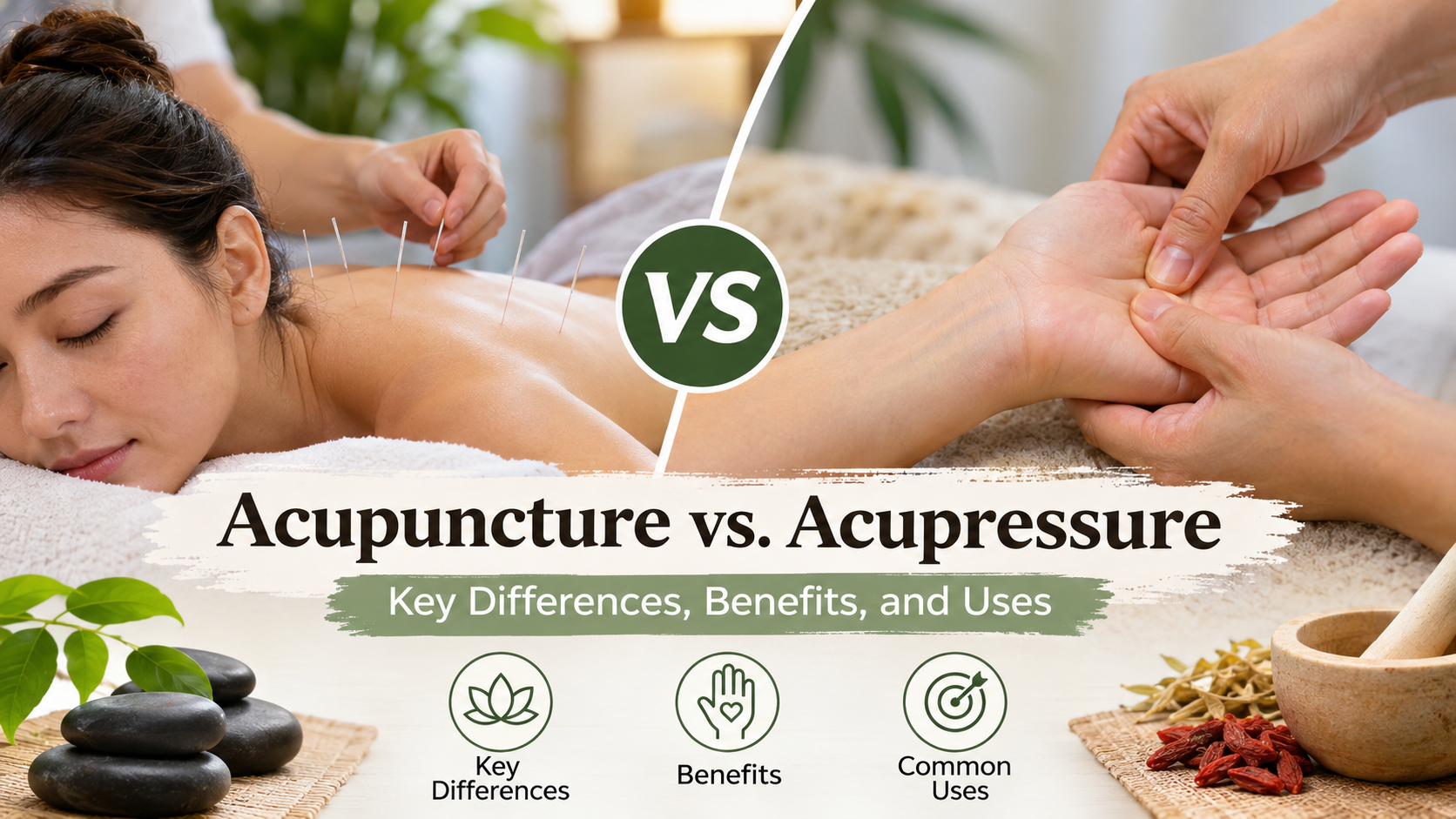
Traditional Chinese medicine offers two closely related approaches to supporting health and wellness: acupuncture and acupressure. Both techniques work by stimulating specific points on the body, known as acupoints, but they go about it in very different ways. One uses thin needles. The other relies on physical touch.
For Milwaukee residents exploring natural wellness options, understanding the distinction between acupuncture vs acupressure can make it easier to choose a treatment that fits individual needs, comfort levels, and health goals. Both practices have been used for centuries to address pain, stress, muscle tension, and overall relaxation, yet they differ in technique, sensation, and application.
This guide breaks down what each treatment involves, the benefits associated with each, and how to decide which approach — or combination of approaches — might work best for you.
What Is Acupuncture?
Acupuncture is a traditional Chinese medicine practice that involves inserting very thin, sterile needles into specific points on the body. These points, called acupoints, are selected based on an individual’s health concerns, symptoms, and overall wellness goals. A trained practitioner evaluates the patient before determining which points to target.
Many practitioners believe acupuncture works by influencing the nervous system and the body’s pain-processing pathways, which may explain why some people experience relief from various types of discomfort after treatment.
People commonly seek acupuncture for:
- Chronic back and neck pain
- Headaches and migraines
- Muscle tension
- Stress and anxiety management
- Certain types of joint discomfort
Because acupuncture involves penetrating the skin, it should only be performed by a properly trained and licensed practitioner using sterile, single-use needles.
What Is Acupressure?
Acupressure stimulates the same meridian points used in acupuncture, but without needles. Instead, pressure is applied using fingers, hands, or specialized tools. The underlying concept is similar — targeting specific points believed to influence energy flow and physical tension — but the method of stimulation is entirely different.
During an acupressure session, a practitioner applies controlled pressure to targeted areas, often holding or massaging the point to encourage relaxation and relieve muscle tension.
Acupressure is commonly used for:
- Stress reduction and relaxation
- Mild headaches
- Muscle tightness
- Nausea management
- General wellness support
One advantage of acupressure is accessibility. While a trained practitioner can perform more advanced techniques, some basic acupressure methods can be practiced at home for everyday tension relief.
Acupuncture vs. Acupressure: Key Differences
While both treatments draw from the same traditional framework, they differ in several important ways.
| Comparison Factor | Acupuncture | Acupressure |
| Technique | Thin needles inserted into specific points | Pressure applied using fingers or hands |
| Skin penetration | Yes | No |
| Practitioner | Trained acupuncture professional | Trained practitioner or self-practice for basic techniques |
| Sensation | Mild pressure, tingling, or temporary discomfort | Firm pressure or mild tenderness |
| Common applications | Pain management and other health concerns | Relaxation, tension relief, and wellness |
| Equipment | Sterile, single-use needles | Hands or pressure tools |
Neither treatment is universally “better” than the other. The appropriate choice depends on personal preferences, specific health concerns, and guidance from a qualified professional.
Benefits of Acupuncture
Acupuncture’s potential benefits have been explored through clinical research and individual treatment experiences. Common benefits include:
- Pain management: May help reduce certain types of chronic pain, including lower back pain and neck discomfort.
- Stress management: May support relaxation and help some individuals manage stress.
- Headache relief: Research suggests acupuncture may help prevent certain types of headaches and migraines.
- Muscle tension: May help relieve discomfort associated with muscular tightness.
- Overall wellness: Some people incorporate acupuncture into a broader healthcare and wellness plan.
Benefits of Acupressure
Acupressure offers a non-invasive approach to relaxation and symptom management, making it an appealing option for those who prefer to avoid needles. Benefits include:
- Promotes relaxation: Applying pressure to specific points may help encourage relaxation.
- Helps manage tension: May provide temporary relief from mild muscle tightness.
- Convenient technique: Some basic techniques can be practiced at home.
- No needles required: Suitable for people who prefer not to undergo needle-based treatment.
- Potential nausea relief: Certain pressure points have been studied for managing nausea, including motion-related nausea.
Which Treatment Is Better for You?
The right choice between acupuncture and acupressure depends on your symptoms, personal comfort, and treatment preferences.
- Choose acupuncture if: You’re looking for a practitioner-guided treatment involving needles for specific concerns such as chronic pain, headaches, or certain musculoskeletal conditions.
- Choose acupressure if: You prefer a needle-free approach and want to explore relaxation, mild tension relief, or basic self-care techniques.
- Consider combining both: Some practitioners incorporate acupuncture and acupressure into a broader treatment plan when appropriate, using each technique to address different aspects of a patient’s wellness goals.
If you’re dealing with persistent pain or an ongoing health concern, it’s best to consult a qualified healthcare professional before choosing either treatment. A thorough evaluation can help determine which approach — or combination — is most suitable for your situation.
What to Expect During an Acupuncture or Acupressure Session in Milwaukee
Most sessions begin with an initial consultation, during which the practitioner reviews your medical history, current symptoms, and overall wellness goals. This conversation helps the practitioner determine which treatment points are most appropriate for your needs.
During an acupuncture session, the practitioner inserts thin needles into the selected points. Many patients rest for a period of time while the needles remain in place, often experiencing a sense of calm or mild relaxation.
An acupressure session involves the practitioner applying controlled pressure to selected points, sometimes incorporating massage-like techniques to relieve tension.
Treatment duration and frequency vary depending on individual needs and health goals. If you’re considering treatment in Milwaukee, don’t hesitate to ask about a practitioner’s qualifications, treatment methods, hygiene practices, and expected costs before booking an appointment.
Safety Considerations and Possible Side Effects
Both treatments are generally considered safe when performed by a qualified practitioner, though each comes with its own considerations.
Acupuncture should always be performed using sterile, single-use needles by a properly trained and licensed practitioner. Possible temporary side effects include minor bleeding, bruising, soreness, or lightheadedness.
Acupressure is generally non-invasive, but excessive pressure can cause discomfort or bruising in some cases.
People with certain medical conditions, injuries, bleeding disorders, or pregnancy-related concerns should seek professional guidance before pursuing either treatment. It’s also important to remember that neither acupuncture nor acupressure should replace necessary medical diagnosis or treatment — they work best as complements to, not substitutes for, conventional medical care.
Why Consider Dr. Zhou’s Acupuncture and Wellness Clinic in Milwaukee?
Dr. Zhou’s Acupuncture and Wellness Clinic is a Milwaukee-based practice offering traditional Chinese medicine and holistic wellness services. Led by Dr. Xiping Zhou, MDOM, CMT, L.Ac., the clinic brings decades of experience in acupuncture and Chinese healing practices to patients throughout Milwaukee and Madison, Wisconsin.
Dr. Zhou takes an integrated approach to treatment, combining acupuncture, herbal medicine, and medical manual therapy to help patients achieve wellness goals across multiple areas of their health. The clinic’s areas of specialization include pain management, women’s health, body-mind integration, and stroke rehabilitation.
If you’re exploring acupuncture or acupressure as part of your wellness journey, scheduling a consultation can help you better understand which treatment options align with your individual needs and health history.
Choosing Between Acupuncture and Acupressure
The core difference between these two traditional Chinese medicine techniques comes down to method: acupuncture uses fine needles, while acupressure relies on physical pressure. Both approaches draw from the same meridian-based framework, yet each serves different purposes depending on a person’s symptoms and comfort level.
Ultimately, personal preference, the nature of your symptoms, and professional guidance should all factor into your decision. Some people find relief through acupuncture alone, others prefer the needle-free nature of acupressure, and many benefit from a combination of both as part of a broader wellness plan.
Looking for professional acupuncture care in Milwaukee? Contact Dr. Zhou’s Acupuncture and Wellness Clinic to discuss your health concerns and explore treatment options that align with your wellness goals.
Frequently Asked Questions
What is the main difference between acupuncture and acupressure?
Acupuncture involves inserting thin needles into specific points on the body, while acupressure uses finger or hand pressure on those same points without penetrating the skin.
Is acupuncture more effective than acupressure for pain relief?
Neither treatment is universally more effective — acupuncture is often used for more targeted pain management, while acupressure offers a gentler, non-invasive option for tension and relaxation. The best choice depends on your specific condition and comfort level, so it’s worth discussing your symptoms with a qualified practitioner.
Does acupressure hurt?
Acupressure typically involves firm pressure that may feel like mild tenderness, but it shouldn’t cause significant pain. Applying too much pressure, however, can lead to discomfort or bruising.
Can acupuncture and acupressure be used together?
Yes. Some practitioners incorporate both techniques into a single treatment plan, using each method to address different aspects of a patient’s health and wellness goals.
How many acupuncture sessions are usually needed?
The number of sessions varies depending on the individual’s condition, treatment goals, and response to therapy. A practitioner can provide a more specific recommendation after an initial consultation.