

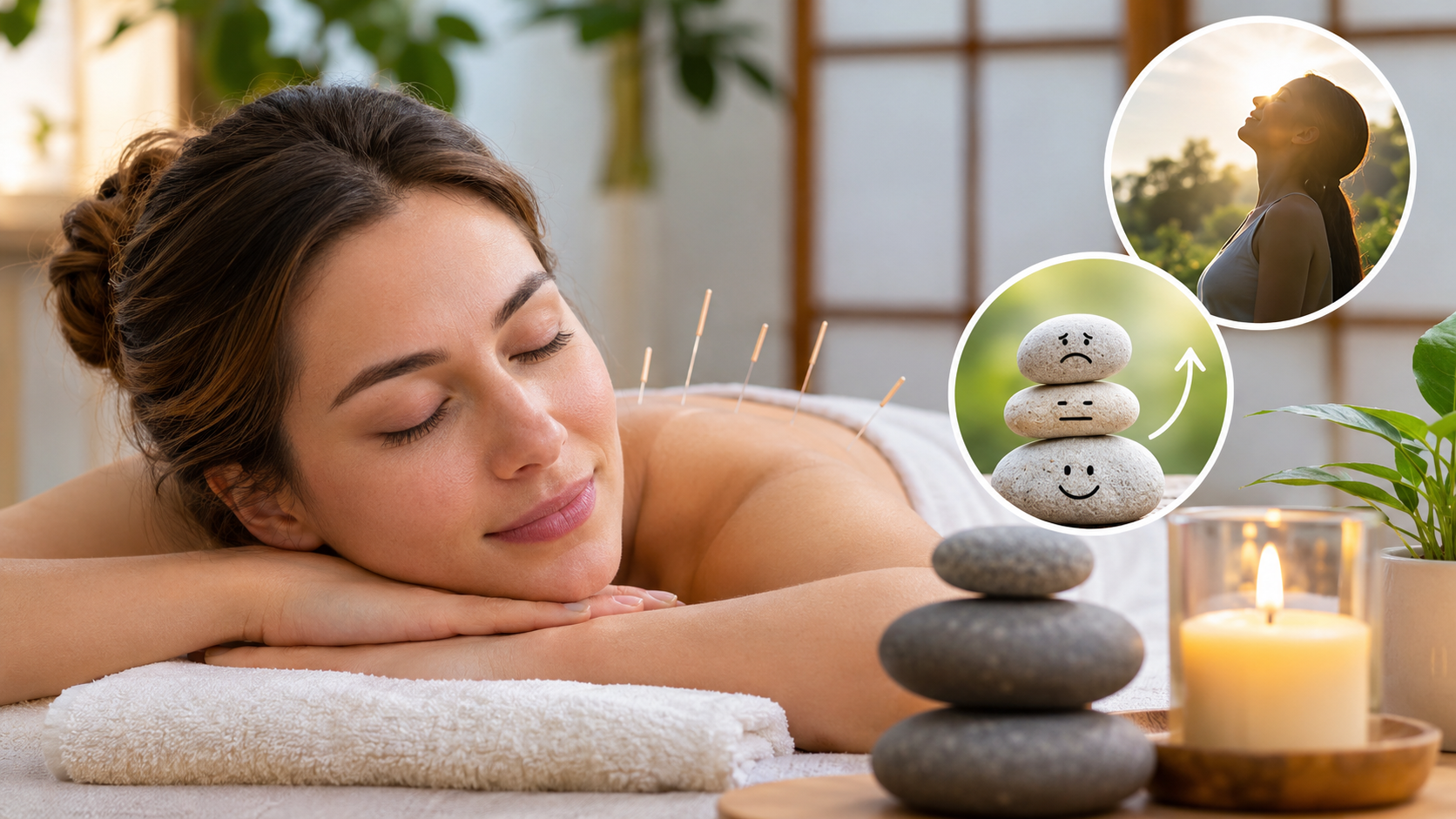
Juggling work deadlines, family obligations, and the general pace of modern life can leave anyone feeling stretched thin. For many Milwaukee residents, this ongoing pressure doesn’t just stay in the background—it shows up as trouble sleeping, difficulty focusing, and tight, achy muscles that never seem to fully relax.
Persistent stress can chip away at your overall well-being over time, affecting everything from your mood to your physical health. That’s why more people are turning to complementary approaches that support the body and mind together.
One such approach is acupuncture for stress and anxiety, a practice rooted in traditional Chinese medicine that some use to support relaxation and better manage daily pressures. This post walks through what acupuncture involves, what the research says, and what to expect if you’re considering it in Milwaukee.
Understanding the Connection Between Stress, Anxiety, and Physical Health
Stress and anxiety rarely stay contained to your emotions. They tend to spread into the body, creating a cycle that’s hard to break on your own. Common physical signs include:
- Increased muscle tension, particularly in the neck, shoulders, and back
- Difficulty falling asleep or staying asleep through the night
- Headaches, fatigue, and trouble concentrating
- Changes in appetite or digestive discomfort
- Feeling overwhelmed, restless, or constantly on edge
It’s worth noting the difference between temporary stress and persistent anxiety. Short-term stress—say, before a big presentation—usually fades once the trigger passes. Ongoing or severe anxiety, however, often requires more than lifestyle adjustments. If feelings of worry or unease persist or worsen, it’s important to seek support from a qualified mental health professional.
How Does Acupuncture for Stress and Anxiety Work?
Acupuncture for stress and anxiety is a practice that originates in traditional Chinese medicine, a system that has been used for centuries to address imbalances in the body. It involves inserting very thin, sterile needles into specific points along the body to help encourage balance and support the body’s natural responses.
Traditional Chinese medicine views physical and emotional well-being as deeply connected—rather than treating the mind and body separately, it looks at how the two influence one another. Some practitioners and researchers believe acupuncture may interact with the nervous system in ways that promote relaxation and help ease the body’s stress response.
This is part of why some individuals explore acupuncture as a complementary approach to managing everyday stress. That said, treatment isn’t one-size-fits-all. A qualified practitioner will typically tailor a treatment plan based on your health history, symptoms, and personal goals, rather than applying a generic protocol to every patient.
Potential Benefits of Acupuncture for Stress and Anxiety
While results vary from person to person, several potential benefits are commonly associated with acupuncture as part of a broader stress-management approach.
1. Promotes Relaxation
Many patients describe acupuncture sessions as calming, often using the quiet, restful time on the table as a built-in part of their relaxation routine.
2. May Support Better Sleep
Stress-related sleep difficulties can take a toll on daily functioning, from concentration to mood. Acupuncture is being explored by some as a complementary way to support more restful sleep patterns.
3. Helps Address Physical Tension
Since stress often settles into the muscles, particularly the neck, shoulders, and back, acupuncture may help ease this tension and the discomfort that comes with it.
4. Supports Overall Wellness
Acupuncture isn’t typically used in isolation. It can complement other healthy habits, including regular exercise, mindfulness practices, and consistent sleep routines.
It’s important to be clear-eyed here: research on acupuncture specifically for anxiety remains limited and mixed. It shouldn’t be viewed as a proven treatment or a replacement for psychological or medical care, but rather as one piece of a broader wellness approach.
What to Expect During Your First Acupuncture Session in Milwaukee
If you’re new to acupuncture, knowing what happens during a session can ease any first-visit nerves. Most appointments follow a similar structure:
- An initial consultation to discuss your health history
- Questions about your stress levels, sleep patterns, symptoms, and goals for treatment
- Selection of acupuncture points based on your specific needs
- Use of thin, sterile, single-use needles
- A quiet relaxation period while the needles remain in place
- A post-treatment discussion covering recommendations and next steps
Every patient’s experience is different, so it’s important to communicate openly with your practitioner about any discomfort or concerns throughout the process.
Is Acupuncture Safe for Managing Stress and Anxiety?
Acupuncture is generally considered safe when performed by a properly trained and licensed practitioner using sterile, single-use needles. Some patients may experience mild, temporary soreness, slight bruising, or brief lightheadedness after a session, but serious side effects are uncommon.
Before starting treatment, be sure to disclose any medications, existing medical conditions, pregnancy, or other relevant health history to your practitioner. If you’re experiencing severe anxiety, panic attacks, or persistent emotional distress, it’s important to consult a qualified healthcare professional. Acupuncture should be viewed as a complement to recommended mental health treatment, not a substitute for it.
How to Choose the Right Acupuncture Clinic in Milwaukee
Not all acupuncture providers offer the same level of training or care, so it pays to do some research before booking your first appointment. Consider the following:
- Practitioner qualifications, licensing, and professional experience
- Experience specifically with traditional Chinese medicine and holistic wellness
- Clean treatment rooms and proper needle sterilization practices
- Personalized consultations and individualized treatment plans
- Clear communication about expectations, costs, and scheduling
- A convenient Milwaukee-area location with accessible appointment availability
For those exploring acupuncture and complementary wellness care in the area, Dr. Zhou’s Acupuncture and Wellness Clinic is one local option worth considering.
Lifestyle Habits to Combine With Acupuncture for Better Stress Management
Acupuncture tends to work best as part of a broader stress-management routine rather than a standalone fix. Consider pairing your sessions with:
- Meditation or deep breathing exercises
- A consistent sleep schedule
- Regular physical activity, such as walking or yoga
- Balanced meals and proper hydration
- Intentional breaks from work and screen time
- Professional counseling, when stress or anxiety becomes difficult to manage alone
Why Consider Dr. Zhou’s Acupuncture Clinic in Milwaukee?
Dr. Zhou’s Acupuncture, Pain Management and Natural Wellness Clinic brings decades of experience in traditional Chinese medicine to patients throughout Milwaukee, Wisconsin. Led by Dr. Xiping Zhou, the clinic takes an integrated approach to wellness, combining acupuncture with Chinese herbal medicine and therapeutic Chinese massage to address both physical and emotional concerns.
Dr. Zhou’s clinic places a strong emphasis on personalized attention, helping patients understand their treatment options and work toward their individual wellness goals—whether that involves pain management, women’s health, or general stress relief.
If you’re curious about how acupuncture might fit into your own stress-management routine, consider scheduling an initial consultation to discuss your health history and goals with the team.
Taking the Next Step Toward Stress Relief
Acupuncture for stress and anxiety won’t erase life’s pressures, but it may offer a meaningful complement to a broader approach to emotional and physical wellness. As with any complementary therapy, it’s worth having an open conversation with a qualified practitioner about your specific concerns and expectations before getting started.
For Milwaukee residents interested in personalized acupuncture care, Dr. Zhou’s Acupuncture and Wellness Clinic offers decades of experience and an integrated approach to wellness. Reach out today to schedule a consultation and explore whether acupuncture is a good fit for your stress-management routine.
FAQs
Can acupuncture help reduce stress and anxiety?
Some people find acupuncture helpful for promoting relaxation and easing physical tension associated with stress. However, research specifically on acupuncture for anxiety remains limited and mixed, so it should be viewed as a complementary approach rather than a guaranteed solution.
How many acupuncture sessions are needed for stress relief?
The number of sessions varies by individual and depends on factors like symptom severity and personal goals. A practitioner will typically recommend a treatment plan after an initial consultation and health assessment.
Is acupuncture painful when treating stress and anxiety?
Acupuncture uses very thin, sterile needles, and most patients report minimal to no discomfort during treatment. Some may experience mild, temporary soreness or lightheadedness afterward.
Can acupuncture help with stress-related sleep problems?
Acupuncture is being explored by some as a complementary way to support better sleep, particularly when sleep difficulties are linked to stress. Results vary from person to person.
How long does an acupuncture session take?
Sessions typically include time for consultation, needle placement, a relaxation period, and a brief post-treatment discussion. Exact session length can vary depending on the clinic and individual treatment plan.