

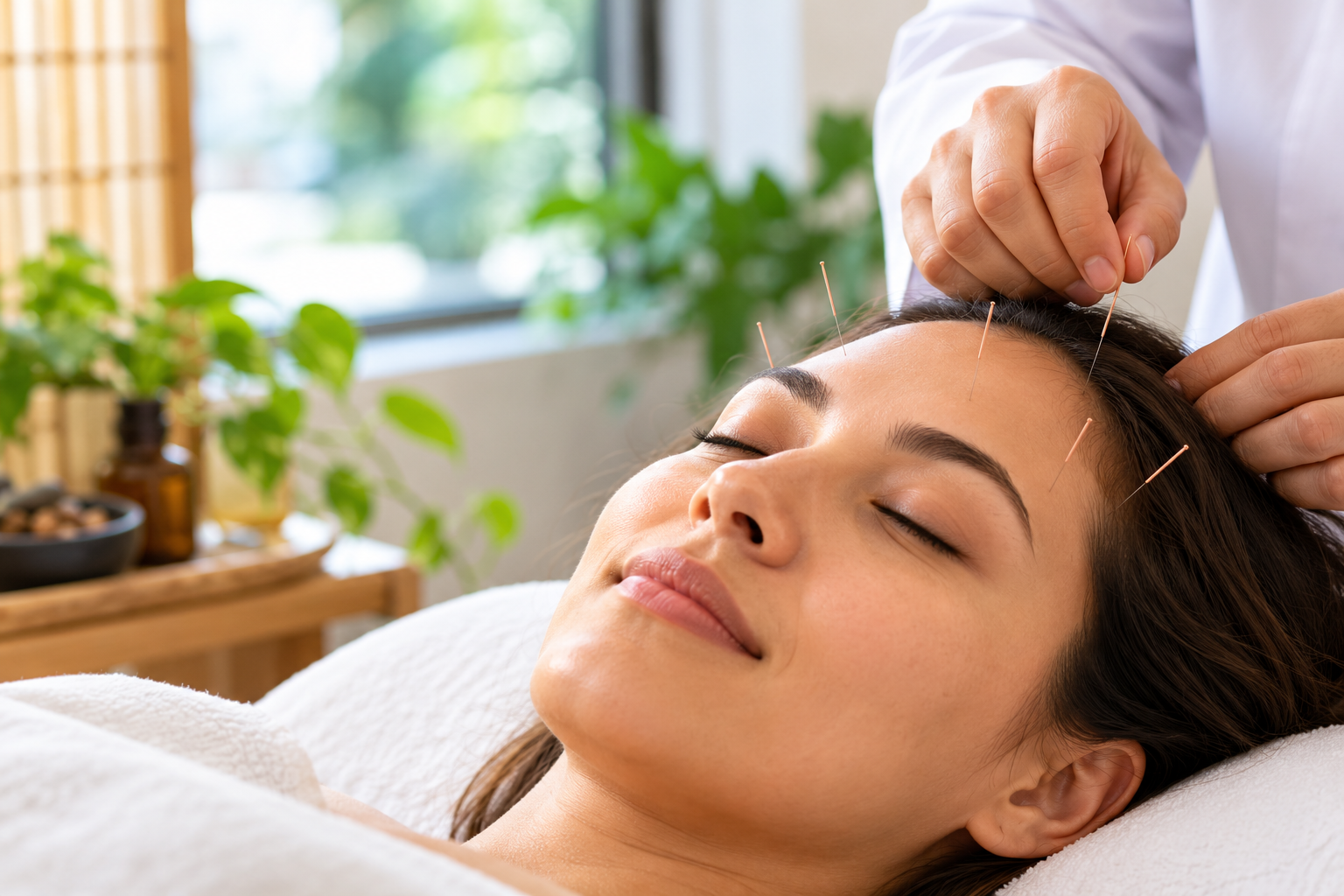
Needles make people nervous. It’s a fair reaction. But acupuncture needles are nothing like the ones used for injections or blood draws — they’re hair-thin, sterile, and designed for precision, not force.
Most first-time patients feel little to nothing during insertion. Some notice a brief pinch. Others feel a flicker of warmth, pressure, or tingling. That’s it. The question “does acupuncture hurt” comes up constantly for a reason — fear of the unknown is normal. Knowing what to expect changes everything.
Choosing a qualified practitioner matters just as much as understanding the sensations involved. Trained technique. Sterile equipment. Clear communication before, during, and after treatment. That combination is what makes acupuncture a low-discomfort experience for the vast majority of patients.
Does Acupuncture Hurt?
Short answer: not in the way most people assume. Acupuncture is not considered a highly painful procedure, though every patient’s experience is different.
Here’s the key distinction. Injection needles are thick, hollow, and built to push fluid through tissue. Acupuncture needles are solid, flexible, and a fraction of that width. Many patients barely register insertion. Others notice a quick prick that fades within seconds.
Sensation depends on a few factors: the treatment area, individual sensitivity, and practitioner skill. Fleshier areas tend to feel different than areas closer to bone or nerve-dense tissue. Skilled technique minimizes discomfort regardless of location.
One rule stays constant. If something feels sharp, persistent, or wrong — speak up. A good practitioner will adjust the needle immediately. Discomfort should be mild and brief, never ongoing. That’s the standard to hold your treatment to.
What Does Acupuncture Feel Like?
Patients describe a narrow range of sensations. Here’s what to expect:
- A brief pinch. A quick, mild sensation during needle insertion — often gone before you register it.
- Tingling or heaviness. A temporary feeling around the needle site as it settles in.
- Warmth or a dull ache. Common during treatment, especially once needles are in place.
- Muscle relaxation. Many patients feel calm, loose, even sleepy while resting through the session.
- Little or no sensation. A real possibility. Plenty of people barely notice the needles are there.
Sensation varies person to person. Two patients treated at the same points can report completely different experiences. What doesn’t vary: sharp or worsening pain is never the goal. Report it immediately.
What Happens During Your First Acupuncture Session?
Your first visit covers more ground than a follow-up. Expect a structured process built around understanding you before treating you.
Initial consultation. Your practitioner asks about symptoms, medical history, lifestyle, medications, and treatment goals. This is your moment to raise needle anxiety, sensitivity concerns, or any hesitation. Nothing is off-limits here.
Personalized treatment plan. Based on your consultation, your practitioner identifies specific acupuncture points and explains the reasoning behind them. No two treatment plans look identical — your condition and overall health shape the approach.
Needle placement. Skin is prepared, and thin, sterile, single-use needles are inserted at the selected points. A small prick or mild pressure is possible. Significant discomfort is not the expectation.
Relaxation period. Needles stay in place for roughly 10–20 minutes, depending on your treatment plan. You rest. Your practitioner monitors your response throughout.
Needle removal and follow-up. Needles come out carefully, and your practitioner walks you through aftercare and next steps. Budget extra time for this first appointment — the consultation adds length that follow-up visits won’t require.
How to Prepare for Your First Acupuncture Appointment
A little preparation goes a long way toward a comfortable first session:
- Eat a light meal or snack beforehand. Arriving hungry doesn’t help.
- Wear loose, comfortable clothing that gives easy access to treatment areas.
- Bring a list of current medications, supplements, medical conditions, and prior treatments.
- Hydrate and arrive early enough to handle any paperwork without rushing.
- Skip alcohol before treatment, and ask about activity restrictions afterward.
- Tell your practitioner directly if needles make you anxious or if you’ve fainted during medical procedures before.
If you’re booking your first appointment in Milwaukee, the same preparation applies — show up informed, and the session runs smoother from the first minute.
Is Acupuncture Safe? Possible Side Effects to Know
Acupuncture carries a low risk of complications when performed by a properly trained practitioner using sterile, single-use needles. That’s the standard worth insisting on.
Mild side effects can include temporary soreness, minor bleeding, or light bruising at needle sites. Improper placement can lead to more serious complications, though these are uncommon with qualified providers.
Full disclosure matters here. Tell your practitioner about pregnancy, bleeding disorders, blood-thinning medication, pacemakers, or any other relevant condition before treatment starts. And if something feels sharp or persistent during a session, say so immediately.
One more point worth stating plainly: acupuncture is a complementary treatment. It supports your care — it doesn’t replace necessary medical evaluation or prescribed treatment from your doctor.
Tips for a More Comfortable Acupuncture Experience
A few habits make a real difference:
- Choose a practitioner with proper training and credentials. Qualifications matter more than convenience.
- Communicate openly about discomfort, anxiety, or sensitivity — before and during treatment.
- Practice slow, steady breathing as needles are inserted.
- Ask questions about the procedure before it begins. Understanding reduces anxiety.
- Stay still once needles are placed, and ask for help before shifting position.
- Follow your practitioner’s aftercare recommendations closely.
You’re allowed to ask for an explanation, a pause, or an adjustment at any point. A confident practitioner welcomes those questions — it’s part of good care, not an interruption to it.
Acupuncture in Milwaukee: Finding the Right Practitioner
Not every acupuncture provider delivers the same standard of care. Practitioner qualifications, cleanliness, clear communication, and individualized treatment plans separate a strong experience from a forgettable one.
Before booking, ask about treatment methods, session length, pricing, and insurance coverage. Ask what results you can reasonably expect for your specific condition. A practitioner who answers these questions directly — without vague promises — is one worth trusting.
For Milwaukee residents exploring their options, Dr. Zhou’s Acupuncture, Pain Management and Natural Wellness Clinic offers a local starting point. Reach out, share your concerns, and ask your first-visit questions before you commit to treatment.
About Us: Dr. Zhou’s Acupuncture, Pain Management and Natural Wellness Clinic
Dr. Zhou’s Acupuncture, Pain Management and Natural Wellness Clinic serves patients in Milwaukee, Wisconsin, with acupuncture and complementary wellness services. Led by Dr. Xiping Zhou, the practice builds individualized treatment approaches for people managing pain and other health concerns. Every initial consultation is a chance to discuss your symptoms, history, and goals — and determine together whether acupuncture fits your needs.
Frequently Asked Questions
Does acupuncture hurt the first time?
Most first-time patients feel little to no pain. Expect a brief pinch at most during needle insertion — significant pain is not typical.
Are acupuncture needles painful?
Acupuncture needles are much thinner than injection needles. Most patients notice mild sensations like pressure or tingling rather than pain.
How long do acupuncture needles stay in?
Needles typically remain in place for 10–20 minutes, depending on your treatment plan and the condition being addressed.
Can I ask the acupuncturist to stop if it hurts?
Yes. Tell your practitioner immediately if you feel sharp or persistent pain. Adjustments can be made right away.
What should I wear to my first acupuncture appointment in Milwaukee?
Wear loose, comfortable clothing that allows easy access to common treatment areas like your arms, legs, and back.