

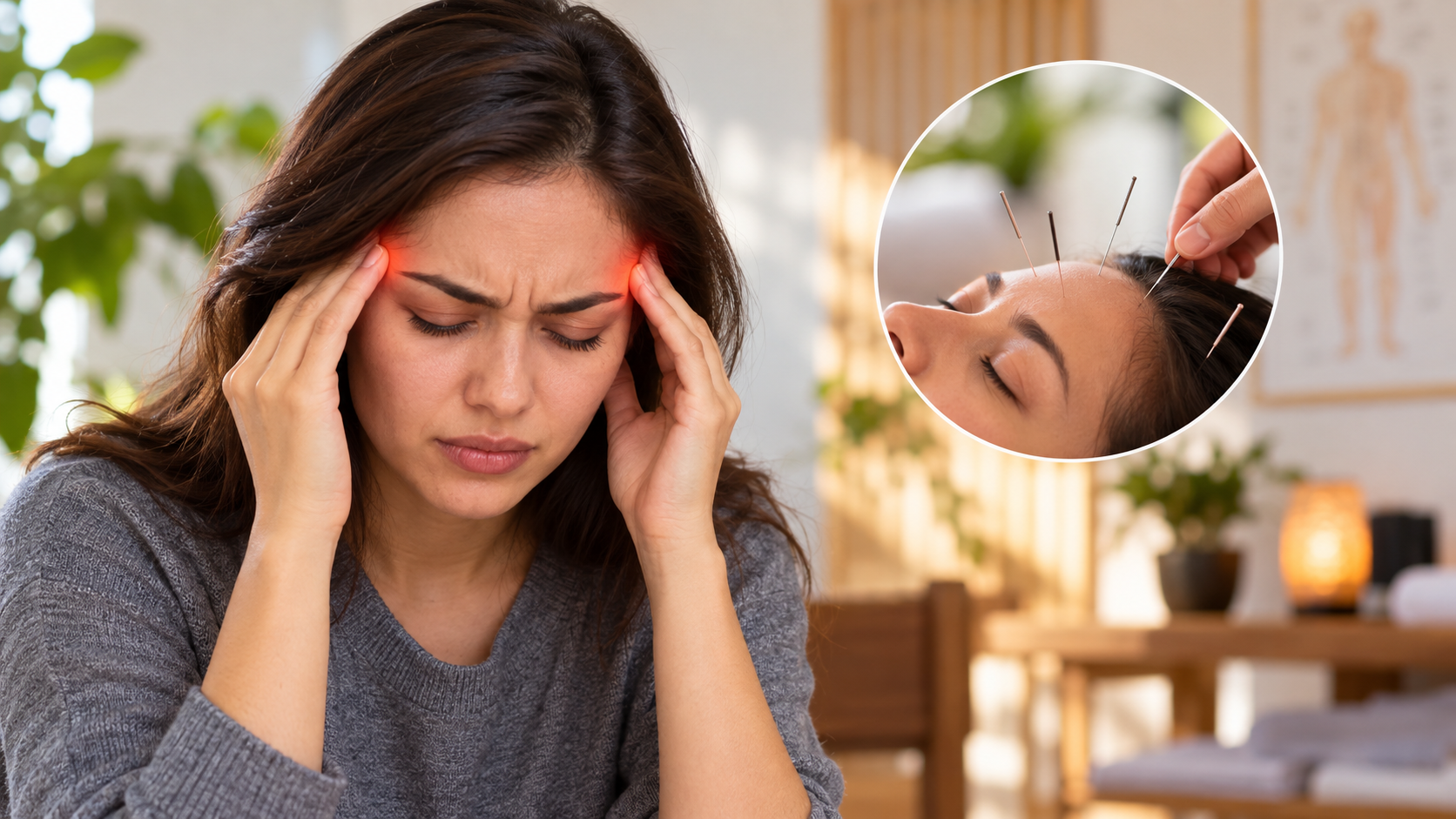
Migraines don’t wait for a convenient time. They interrupt work, disrupt sleep, and make concentration nearly impossible. Recurring headaches drain energy from everyday life — slowly, then all at once.
Many people search for options beyond medication alone. Complementary therapies, including acupuncture, are increasingly part of that search. Acupuncture for migraines in Milwaukee has become a common query for residents looking to manage headache frequency and severity without relying solely on prescriptions.
This article breaks down what acupuncture is, what the research says, what a treatment session looks like, and what to consider before booking an appointment. No guarantees. No exaggerated claims. Just a clear look at the facts.
Understanding Migraines and Different Types of Headaches
Not every headache is the same. Causes differ. Symptoms differ. Treatment approaches differ too — which makes accurate identification the first step toward relief.
What Is a Migraine?
A migraine is a neurological condition. It can cause moderate to severe head pain, often described as throbbing or pulsing. Common symptoms include nausea, sensitivity to light and sound, and sometimes visual disturbances known as aura. Migraine attacks can last for hours or stretch across multiple days, often making normal daily functioning difficult.
Common Types of Headaches
- Tension headaches: Pressure or tightness around the forehead, temples, or back of the head.
- Migraine headaches: Throbbing pain paired with nausea and sensitivity to sensory stimuli.
- Cluster headaches: Severe, recurring pain, often centered around one eye. These require prompt medical evaluation.
Accurate diagnosis matters. Different headache disorders call for different treatment strategies, and no single approach works for every condition.
How Can Acupuncture Help with Migraines and Headaches?
Acupuncture involves inserting thin, sterile needles into specific points on the body. Researchers continue to study its potential effects on pain processing and nervous system activity.
For some individuals, acupuncture may help reduce the frequency of migraine attacks or ease overall headache burden. Results vary. Acupuncture does not work equally well for everyone, and outcomes depend on the individual.
According to the National Center for Complementary and Integrative Health, research suggests acupuncture may help reduce migraine frequency in some people. However, the strength of that evidence varies across studies and treatment comparisons (Source: NCCIH). Acupuncture is best considered alongside conventional medical care — not as a replacement for prescribed treatment.
Potential Benefits of Acupuncture for Migraines
Possible benefits exist. Guaranteed results do not.
May Help Reduce Migraine Frequency
Some studies suggest acupuncture may help lower the number of migraine attacks experienced over time.
May Support Pain Management
Acupuncture may serve as an additional option within a broader headache-management plan, working alongside — not replacing — other strategies.
May Help Address Stress-Related Tension
Stress and muscle tension contribute to headache symptoms for many people. Acupuncture may support relaxation, though individual results vary.
May Complement an Existing Treatment Plan
Acupuncture can be considered alongside medical guidance, lifestyle adjustments, and prescribed migraine medications — a supportive layer, not a standalone fix.
Acupuncture does not cure migraines. It does not eliminate the need for medication. It does not guarantee immediate relief. What it can offer is a complementary option worth discussing with a qualified healthcare professional.
What to Expect During an Acupuncture Session in Milwaukee
Initial consultation. The practitioner reviews headache history, symptoms, frequency, triggers, medications, and prior treatments.
Individualized treatment plan. A qualified practitioner determines whether acupuncture fits your specific situation.
Treatment session. Thin, sterile needles are inserted at selected points. Some people feel mild tingling or temporary soreness — both typically short-lived.
Follow-up and progress monitoring. The practitioner tracks changes in headache frequency, severity, and daily functioning over time.
The number of sessions needed depends on individual needs, response to treatment, and practitioner recommendations. No fixed formula applies to everyone.
Who May Consider Acupuncture for Migraines?
Acupuncture may be worth exploring for:
- Adults experiencing recurring migraines or frequent headaches.
- People interested in complementary approaches to headache management.
- Individuals whose current treatment plan could benefit from additional support.
- Anyone wanting to discuss non-drug approaches with a qualified healthcare professional.
Disclosure matters. Anyone considering acupuncture should share relevant medical conditions, pregnancy status, bleeding disorders, and any medications that affect bleeding. Treatment should always be performed by a qualified practitioner using sterile, single-use needles.
Finding Acupuncture for Migraines in Milwaukee
A few steps make the search easier:
- Look for a qualified, appropriately credentialed acupuncture practitioner.
- Ask directly about experience treating headaches and migraines.
- Discuss treatment goals, expected session frequency, fees, and insurance coverage upfront.
- Check whether the clinic offers an initial consultation before committing.
- Keep a headache diary. Track symptoms, possible triggers, medication use, and any changes during treatment.
Dr. Zhou’s Acupuncture, Pain Management and Natural Wellness Clinic is one local option for Milwaukee-area residents. Its website lists headache and migraine care among the conditions addressed by the practice (Source: Conditions Treated).
About Dr. Zhou’s Acupuncture, Pain Management and Natural Wellness Clinic
Dr. Zhou’s Acupuncture, Pain Management and Natural Wellness Clinic provides acupuncture and wellness services across Milwaukee and Madison, Wisconsin. The clinic combines acupuncture with supportive therapies, including medical massage and herbal medicine. Headaches and migraines are listed among the conditions the clinic addresses. Milwaukee-area patients can reach out to discuss symptoms, learn whether acupuncture may be appropriate, and explore an individualized treatment plan.
Milwaukee location: 4601 N Oakland Avenue, Suite 101, Shorewood, WI 53211
Phone: (414) 962-5249
Website:https://acupunctureus.com/
Take the Next Step Toward Headache Relief
Recurring migraines and headaches affect more than just physical comfort — they shape sleep, work, and daily life. A personalized management plan matters. Acupuncture may serve as a complementary option for some people, though outcomes vary and medical evaluation remains essential.
Looking for acupuncture for migraines in Milwaukee? Contact Dr. Zhou’s Acupuncture, Pain Management and Natural Wellness Clinic to discuss your symptoms and explore whether acupuncture may fit your headache-management plan.
FAQs
Can acupuncture help with migraines?
Acupuncture may help some people reduce migraine frequency or ease headache burden, though research results vary and it does not work the same for everyone.
How many acupuncture sessions are needed for migraines?
The number of sessions depends on individual needs, response to treatment, and practitioner recommendations. A qualified practitioner can outline an expected timeline during an initial consultation.
Is acupuncture painful?
Most people experience only mild tingling or temporary soreness during treatment. Needles used are thin and sterile, and discomfort is typically minimal.
Can acupuncture help with tension headaches?
Acupuncture may support relaxation and help address stress-related muscle tension, which can contribute to tension headache symptoms. Results vary by individual.
Can I continue taking migraine medication while receiving acupuncture?
Acupuncture is generally considered alongside conventional medical care, not as a replacement. Always discuss your full treatment plan, including medications, with your healthcare provider and acupuncture practitioner.