
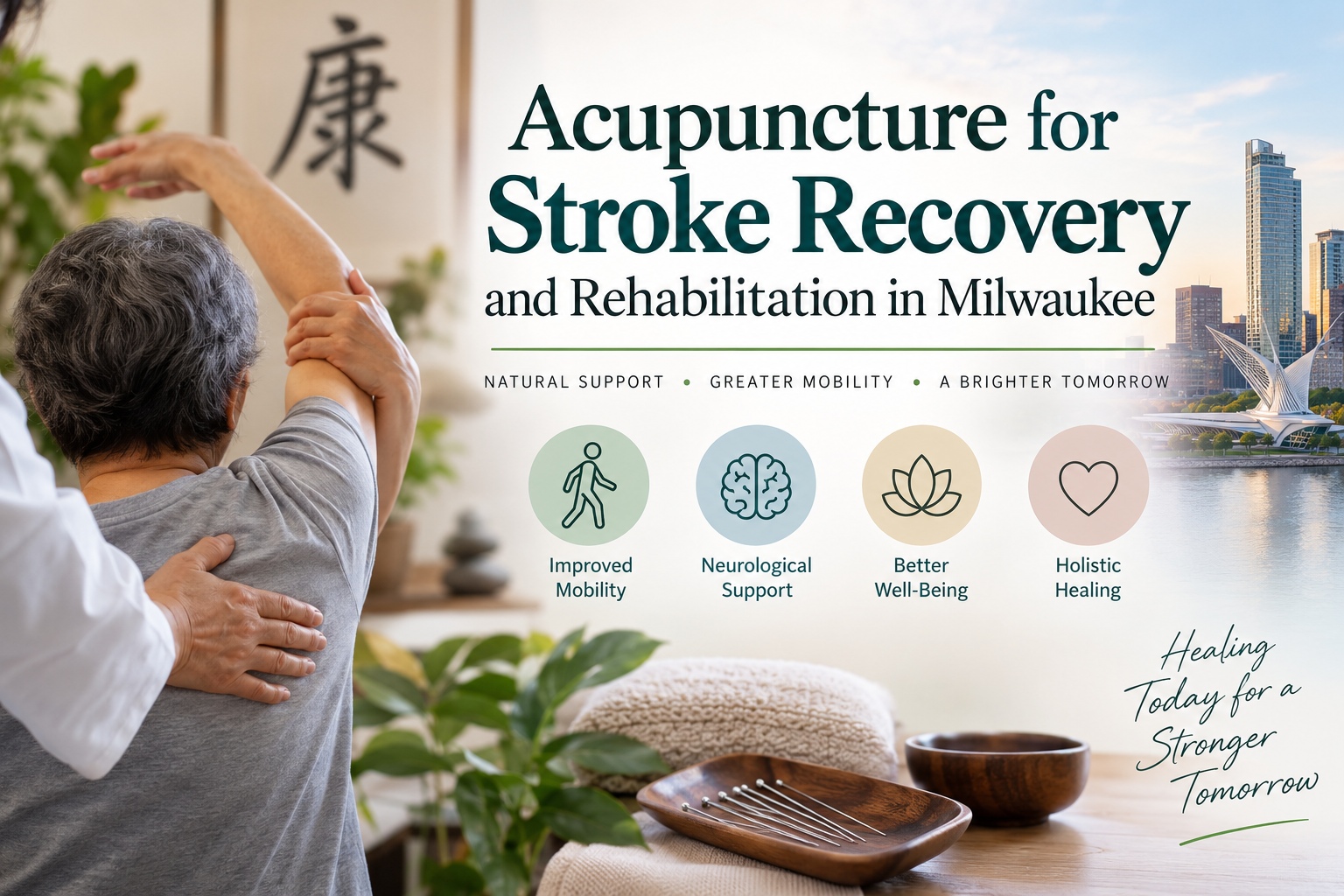
Recovering from a stroke rarely follows a straight line. Survivors often face a mix of physical, neurological, emotional, and functional challenges that can take months or even years to work through. Rehabilitation typically involves a team approach, drawing on physical therapy, occupational therapy, speech therapy, and other supportive treatments designed to help patients regain independence.
Amid this process, some stroke survivors and their families begin exploring complementary therapies to support their recovery journey. Acupuncture is one such option that has drawn increasing interest as a complement to conventional rehabilitation. If you’re researching acupuncture for stroke recovery in Milwaukee, it’s worth understanding what this therapy involves, what the research says, and how it might fit alongside the care you’re already receiving.
Before trying any new therapy, it’s essential to talk with your healthcare and rehabilitation team. Acupuncture isn’t a substitute for medical treatment, but for some patients, it may serve as a helpful addition to an established recovery plan.
What Is Acupuncture for Stroke Recovery?
Acupuncture is a practice rooted in Traditional Chinese Medicine that has been used for thousands of years. It involves inserting thin, sterile needles into specific points on the body, known as acupoints, with the goal of influencing the body’s energy pathways and promoting balance.
In the context of stroke recovery, acupuncture has been explored as a way to support the broader rehabilitation process. Practitioners who work with stroke patients often aim to address symptoms like muscle stiffness, pain, and functional limitations that can accompany recovery. It’s important to be clear about what acupuncture is not: it isn’t a replacement for emergency stroke treatment, medication management, or standard rehabilitation therapies. Instead, it’s typically positioned as a complementary approach that works alongside conventional care.
Dr. Xiping Zhou’s practice in Milwaukee specifically lists stroke rehabilitation among its areas of specialization, describing an approach that incorporates acupuncture, Chinese herbal medicine, and medical manual therapy tailored to each patient’s needs.
How Acupuncture May Support Stroke Rehabilitation
Supporting Movement and Motor Function
Motor impairment is one of the most common and challenging effects of stroke, and researchers have looked into whether acupuncture might help. A 2024 systematic review and meta-analysis found potential improvements in neurological function, disability levels, and activities of daily living among stroke patients receiving acupuncture. However, the review rated the certainty of this evidence as moderate to low, meaning more high-quality research is needed before firm conclusions can be drawn. Acupuncture shouldn’t be viewed as a guaranteed path to restored movement, but rather as one possible piece of a larger rehabilitation puzzle.
Addressing Post-Stroke Pain and Discomfort
Many stroke survivors experience pain, stiffness, or general discomfort as part of their recovery, whether from muscle spasticity, shoulder issues, or other complications. Some patients turn to acupuncture as a complementary option for managing these symptoms. As with any treatment decision, an individualized evaluation by a qualified practitioner, in coordination with your medical team, is the best way to determine whether this approach makes sense for your situation.
Supporting Daily Function
Regaining the ability to perform daily activities, from dressing to preparing meals, is often a central goal of stroke rehabilitation. Some research has examined whether acupuncture might support improvements in independence and functional ability alongside standard therapies. Acupuncture should always be considered a complement to, not a substitute for, occupational and physical therapy focused on these goals.
Overall Wellness During Recovery
Beyond specific physical outcomes, some stroke survivors seek acupuncture as part of a broader wellness routine during recovery, hoping it might support relaxation, sleep, or general well-being. It’s worth noting that acupuncture has not been shown to directly repair damaged brain tissue, and claims suggesting otherwise should be viewed with skepticism.
Acupuncture and Conventional Stroke Rehabilitation
Current stroke recovery guidelines emphasize individualized, interdisciplinary rehabilitation designed around each patient’s specific needs. This typically includes:
- Physical therapy to rebuild strength, balance, and mobility
- Occupational therapy to support daily living skills
- Speech and language therapy for communication or swallowing difficulties
- Neurological follow-up to monitor recovery and adjust care
- Medication management for underlying conditions
- Lifestyle and wellness support, including nutrition and stress management
- Acupuncture as a potential adjunct, when appropriate and medically cleared
The key message here is straightforward: acupuncture should complement, not replace, these established components of stroke rehabilitation. Delaying emergency care or skipping recommended rehabilitation in favor of acupuncture could have serious consequences. Any complementary therapy should be added to, not substituted for, conventional treatment.
What Does an Acupuncture Session for Stroke Recovery Involve?
If you’re considering acupuncture for stroke recovery in Milwaukee, it helps to know what a typical session might look like. While every practitioner’s approach varies, sessions generally include:
- An initial consultation and review of your health history
- A discussion of your stroke history and current symptoms
- A review of your medications and current rehabilitation program
- Development of an individualized treatment plan
- Placement of acupuncture needles at selected points
- Monitoring throughout the treatment session
- A discussion of follow-up care and next steps
Treatment plans can vary significantly depending on your condition, stage of recovery, personal goals, and overall health.
Who May Consider Acupuncture After a Stroke?
Acupuncture may be worth discussing with your care team if you’re experiencing:
- Post-stroke discomfort or pain
- Muscle tightness or other physical symptoms
- Difficulties affecting movement or coordination
- Ongoing rehabilitation needs
- Recovery-related wellness concerns
That said, eligibility should always be determined on an individual basis. This is especially true for patients taking blood-thinning medications or managing other medical concerns, as these factors can affect whether acupuncture is appropriate.
Is Acupuncture Safe After a Stroke?
Acupuncture is generally considered a complementary treatment with a favorable safety profile, but it isn’t entirely risk-free. Potential minor effects can include temporary soreness, bruising, dizziness, or discomfort at needle sites. Evidence reviews have reported adverse effects such as pain, dizziness, and fainting in some acupuncture studies, underscoring the importance of proper clinical assessment and safe treatment practices.
Working with a qualified, licensed practitioner who follows sterile technique is essential. Before beginning treatment, be sure to disclose your full stroke history, current medications, and any other medical conditions. Open communication among your acupuncturist, physician, and rehabilitation professionals helps ensure your care remains coordinated and safe.
Choosing Acupuncture for Stroke Recovery in Milwaukee
What to Look For
If you’re evaluating acupuncture providers, consider the following checklist:
- Experience with stroke rehabilitation specifically
- Appropriate acupuncture credentials and licensure
- A commitment to individualized treatment plans
- A clean, professional treatment environment
- Willingness to communicate with your broader healthcare team
- Clear explanations of expected benefits and limitations
- Experience working with patients who have complex medical histories
Local Milwaukee Connection
For those exploring acupuncture for stroke recovery in Milwaukee, Dr. Zhou’s Acupuncture and Wellness Clinic is a local option worth considering. Located at 4601 N Oakland Avenue, Suite 101, in the Shorewood/Milwaukee area, the clinic identifies stroke rehabilitation as one of Dr. Zhou’s specialties.
What to Expect From a Personalized Approach
Because no two strokes or recoveries are alike, a thoughtful acupuncture plan should account for several individual factors, including:
- The type and history of your stroke
- Current symptoms and functional limitations
- Your stage of recovery
- Mobility challenges
- Pain or discomfort levels
- Your current rehabilitation program
- Medications and other treatments
- Your personal recovery goals
Every stroke survivor’s journey looks different, which is why individualized assessment matters more than a one-size-fits-all treatment protocol.
Why Choose Dr. Zhou’s Acupuncture and Wellness Clinic?
Dr. Zhou’s Acupuncture and Wellness Clinic provides acupuncture and complementary wellness services in the Milwaukee area. Dr. Xiping Zhou, MDOM, CMT, L.Ac., brings more than 25 years of experience in Chinese healing arts, with specialties that include pain management, women’s health, body-mind integration, and stroke rehabilitation.
The practice takes an individualized approach, combining acupuncture with other complementary modalities, such as Chinese herbal medicine and medical manual therapy, when appropriate. Patients interested in acupuncture for stroke recovery in Milwaukee can contact the clinic to discuss their health history, rehabilitation goals, and whether acupuncture may be a suitable complementary option for their situation.
Interested in learning more about acupuncture and stroke rehabilitation in Milwaukee? Contact Dr. Zhou’s Acupuncture and Wellness Clinic to schedule a consultation and discuss your individual needs.
Moving Forward in Your Recovery
Stroke recovery is a deeply individual and often ongoing process, one that rarely follows a predictable timeline. For appropriate patients, acupuncture may serve as a complementary component of a broader rehabilitation plan, working alongside physical therapy, occupational therapy, and medical care rather than replacing them.
The most important step is working closely with qualified healthcare and rehabilitation professionals who understand your specific needs and history. If you’re in the Milwaukee area and curious whether acupuncture for stroke recovery might fit into your plan, reaching out to a local, experienced practitioner is a reasonable next step in your recovery conversation.
FAQs
Can acupuncture help with stroke recovery?
Some research suggests acupuncture may support improvements in motor function, daily activities, and overall well-being when used alongside conventional rehabilitation. However, evidence quality varies, and acupuncture should be viewed as a complementary approach rather than a primary treatment.
Is acupuncture a replacement for physical therapy after a stroke?
No. Acupuncture is not a substitute for physical therapy, occupational therapy, or other standard rehabilitation services. It’s typically used as an adjunct therapy alongside these conventional treatments, not in place of them.
When can someone start acupuncture after a stroke?
Timing varies by individual and should be determined in consultation with your healthcare team. Factors like stroke severity, current medications, and overall medical stability all play a role in deciding when complementary therapies like acupuncture might be appropriate.
Can acupuncture help with post-stroke pain?
Some stroke survivors explore acupuncture as a complementary option for managing pain, stiffness, or discomfort. Individual evaluation by a qualified practitioner, in coordination with your physician, helps determine whether this approach is suitable for your specific symptoms.
Is acupuncture safe for stroke survivors?
Acupuncture is generally considered safe when performed by a licensed, experienced practitioner using sterile technique. Minor side effects like soreness or bruising can occur. Patients should always disclose their full medical history, including medications like blood thinners, before starting treatment.